.png)
Heritage Statements, Impact Assessments & Consultancy
Heritage can shape what is possible on a site but it rarely stops development outright.
What matters is understanding where the real constraints sit, how significant they are and what can be justified. That isn’t always obvious from policy or designation alone.
We provide heritage consultancy services that help you make those calls early, avoid unnecessary redesign and present a clear case when your project is assessed. We support projects from early site appraisal through to application, appeal and delivery.


Heritage Statements for Planning
Most projects involving heritage assets require a heritage statement. It’s a core part of the application - and often one of the first documents decision-makers turn to.
A good statement does more than describe a building or site. It explains what is significant, how a proposal affects that significance and why the approach taken is justified.
We focus on making that line of reasoning clear. That means:
-
identifying what really matters (and what doesn’t)
-
explaining impacts in a way that can be understood and tested
-
setting out conclusions that are proportionate and defensible
The aim is simple: give planners and consultees a clear basis for decision-making.

Heritage Impact Assessment
Some schemes need a more detailed level of assessment.
A heritage impact assessment is typically required where there is greater sensitivity - for example, where development affects the setting of listed buildings or involves multiple heritage assets.
In these cases, the detail matters. We take a structured approach but we don’t hide behind process. You’ll get a clear explanation of:
-
where impacts arise
-
how significant they are
-
what can realistically be done to address them
If there are issues, we will be upfront about them. If there is a case to be made, we will set it out clearly.
Getting Involved at the Right Time
Heritage advice is most useful before positions become fixed.
We are often brought in at application stage but the greatest value usually comes earlier, when layouts are still flexible and options are still open.
At that point, small changes can avoid larger problems later. Once a scheme is locked in, the scope to respond is more limited.

Working with Historic Buildings
Projects involving historic buildings need careful handling but that doesn’t mean they can’t move forward.
As experienced historic buildings consultants, we advise on the conservation of historic buildings in a way that balances heritage considerations with practical use. That includes changes, extensions and repairs, as well as how a building relates to its wider setting.
The key is being clear about what must be preserved, where there is flexibility and how proposals can be justified. We work across a wide range of assets, from individual listed buildings to conservation areas, registered parks and complex heritage settings.
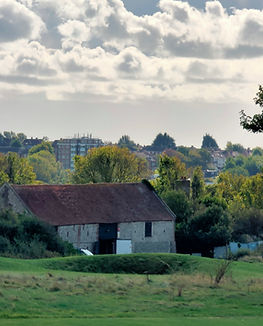
Working with Listed Buildings and Sensitive Sites
If you’ve recently acquired a listed building or a site within a conservation area, we can help you understand what is likely to be acceptable and where constraints may limit options.
Conservation Management Plans
For more complex sites or long-term projects, a conservation management plan can provide a useful framework.
Rather than focusing on a single application, it sets out how a site should be understood and managed over time. This can help guide future decisions, particularly where multiple phases or stakeholders are involved.
Clear Advice, Backed by Experience
You’ll work directly with experienced heritage consultants who take responsibility for their advice.
That means:
-
clear views on risk and likelihood of support
-
honest input, even where the answer isn’t straightforward
-
a focus on what will actually help your project move forward
We don’t produce reports in isolation. The aim is to give you something you can use, whether that’s to shape a design, support an application or make a decision.

Appeals and Expert Witness Work
We also support clients through appeals and, where required, act as expert witnesses.
If an application has been refused, we can help you understand why and whether there is a realistic route forward. Where a case can be made, we set it out clearly and robustly.
Working as Part of a Wider Team
Heritage is rarely the only consideration on a site.
We work alongside our landscape, archaeology and ecology colleagues to make sure advice is aligned across the project. That reduces the risk of conflicting conclusions and helps keep things moving.
Talk to Our Heritage Team
If you need a heritage statement, a heritage impact assessment or early advice on a site, we’ll give you a clear view of what’s involved and what to do next.
No overcomplication - just practical input where it counts.

Frequently Asked Questions
Do I need a heritage statement for planning permission?
If your site affects a heritage asset - such as a listed building, conservation area or its setting - then yes, in most cases.
Local authorities expect a heritage statement to explain how significance has been considered and how the proposal responds to it. Without it, applications are often delayed or refused.
When should I bring in a heritage consultant?
Earlier than most people do.
Heritage input is most useful at feasibility or concept stage, when layouts can still change. If it’s left until submission, options are usually more limited and issues are harder to resolve.
What’s the difference between a heritage statement and a heritage impact assessment?
A heritage statement is typically required for most applications involving heritage assets.
A heritage impact assessment goes further. It’s used for more sensitive or complex schemes, where impacts need to be assessed in greater detail and clearly justified.
Can heritage issues stop a development?
Sometimes, but more often they shape what is acceptable.
The key is understanding where the real constraints sit. Many schemes can move forward with the right approach but some will need changes to layout, scale or design to be supported.
What happens if my application is refused on heritage grounds?
A refusal doesn’t always mean the end of the project.
It depends on why it was refused. In some cases, changes to the scheme can address the issue. In others, there may be grounds to appeal. The important thing is understanding whether there is a realistic route forward before committing further time and cost.
How do heritage assessments fit with other disciplines like landscape or archaeology?
They need to align. Heritage, landscape and archaeology often overlap, particularly in terms of setting and impact. If they are assessed separately, inconsistencies can arise and be challenged. A joined-up approach avoids that and strengthens the overall case.